
Meet Myrmecocystus wheeleri: Wheeler’s Honey Pot Ant!
Why Myrmecocystus wheeleri?
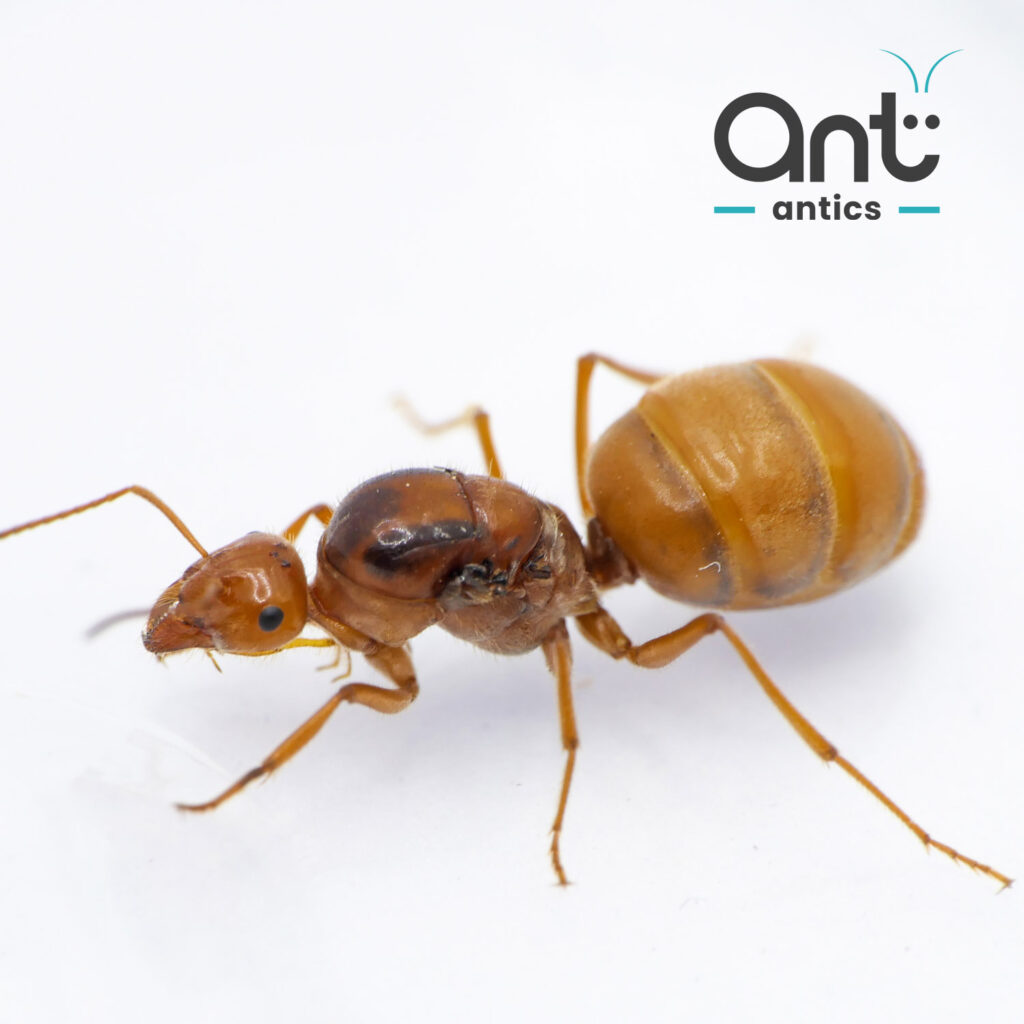
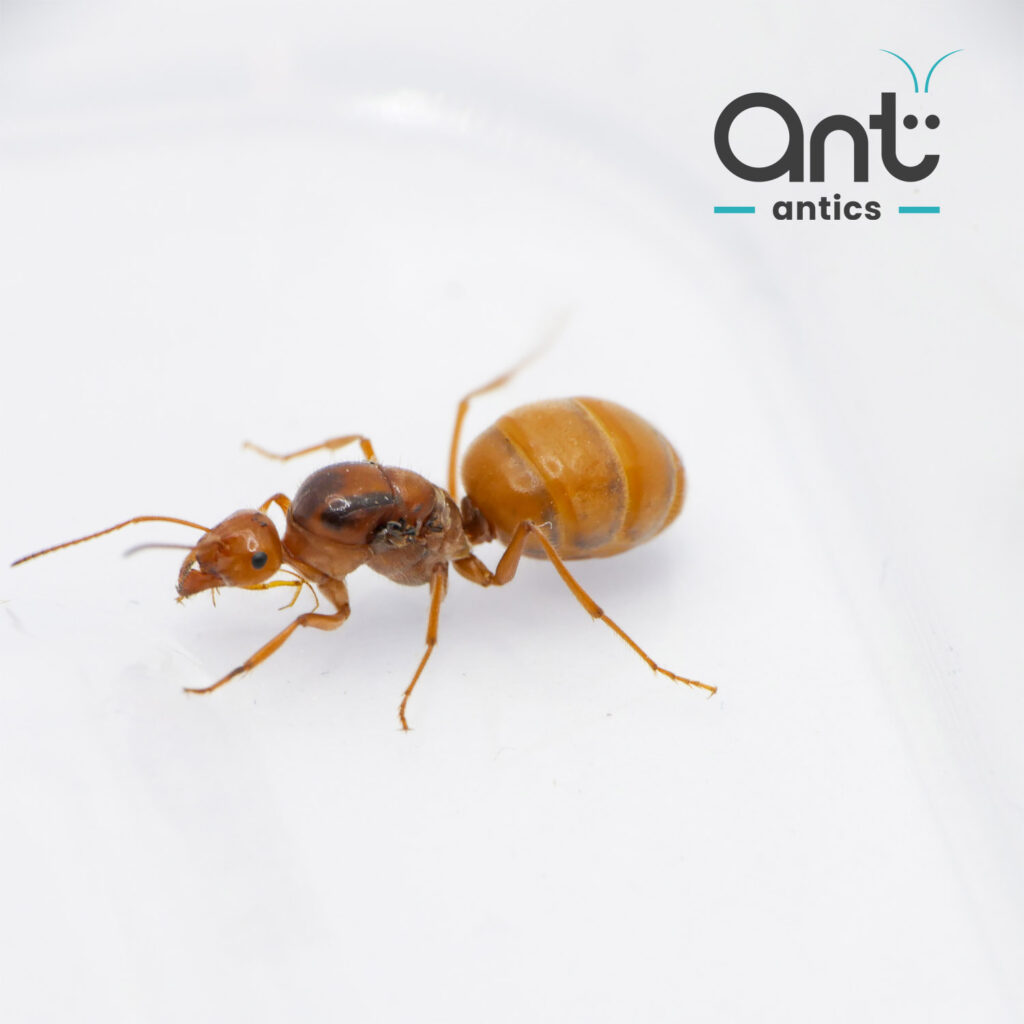
Myrmecocystus wheeleri is a Californian honeypot ant (Snelling, 1971) with orange-ferruginous workers and the famous replete caste: specialised workers that store liquid food in swollen gasters. Daytime foragers that visit flowers for nectar make a fascinating arid-land colony.
Desert margins of California
AntWiki places the species from central California into Baja California, in dry coastal valleys and desert margins (sea level to about 1,200 m). Habitats include chaparral, coastal sage, oak woodland and creosote margins. Nests often show crateriform tumuli with one or more entrances in sandy soil.
Living honey pots
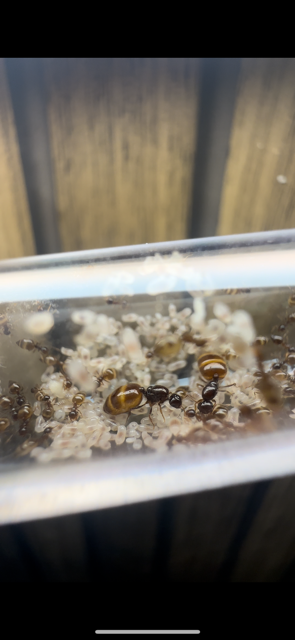
Workers collect floral nectar (especially Eriogonum and prostrate Euphorbia) and take small insects. Surplus liquid can be stored in repletes. Snelling noted repletes are uncommon in some studied nests but do occur. Do not panic if some workers become swollen and translucent; that is normal honeypot biology.
Colony:
- Type: Founding females observed alone after warm rains (suggests solitary founding); mature queen number not firmly published
- Mature size: Not documented for this species in sources reviewed
Queen:
- Size: Snelling (1976) queen head length about 1.8 mm and wing length (WL) about 4.0 mm; whole-body hobby estimates often around 12-15 mm (approximate)
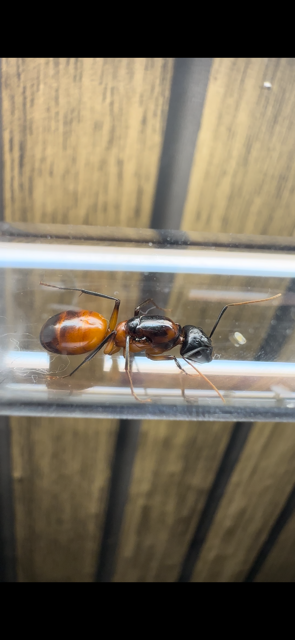
- Colour: Extensively ferruginous
Workers:
- Size: Snelling worker head length about 0.93-1.26 mm; hobby whole-body estimates often around 4-8 mm (approximate)
- Colour: Uniformly orange-ferruginous (legs or gaster tip sometimes brownish)
- Repletes: Present in the genus; recorded for this species
Development:
- Egg to adult worker: Not published for this species; related Myrmecocystus often estimated at several weeks to a couple of months (UNVERIFIED)
Housing:
- Nest: Deep sand nests in nature; ytong or dry-leaning setups preferred in captivity; avoid constantly wet nests
- Temperature: Warm; hobby targets often around 22-26°C active season
- Humidity: Low to moderate; desert-adapted
Hibernation / Diapause:
- Notes: Temperate California range suggests a cool winter rest is likely beneficial (OPINION from care literature); alates recorded in nests in summer months
Diet:
- Primary: Sugary liquids (nectar substitutes) plus small insects
- Wild notes: Floral nectar; scavenged arthropods; small live prey
Interaction:
- Sting: No (Formicinae)
- Bite: Mild; small workers
- Escape risk: High for small desert ants; fine barriers essential
Key Stats:
- Queen Size: Estimated: about 12-15mm
- Worker Size: Estimated: about 4-8mm (size-variable, with repletes)
- Temperature: Estimated: 22-26°C (Nest)
- Humidity: Estimated: low to moderate
- Diet: Sugars & Insects
- Colony Size: Unknown (not verified)
- Diapause: Estimated: a cool winter rest is likely beneficial
Ready for living honey pots?
Myrmecocystus wheeleri is an intermediate arid-land showpiece. Keep them on the dry side, feed sugars and protein, and watch for those remarkable repletes.
Reviews
There are no reviews yet.