
Meet Myrmecocystus placodops: Honey Pot Ant – Living Larders of the Desert!
Why Myrmecocystus placodops?
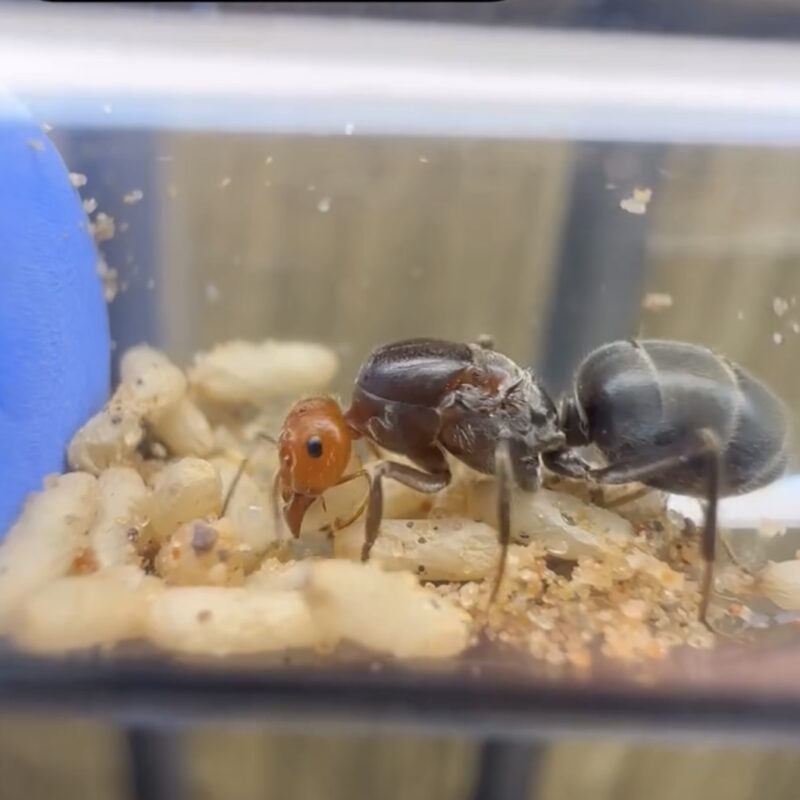
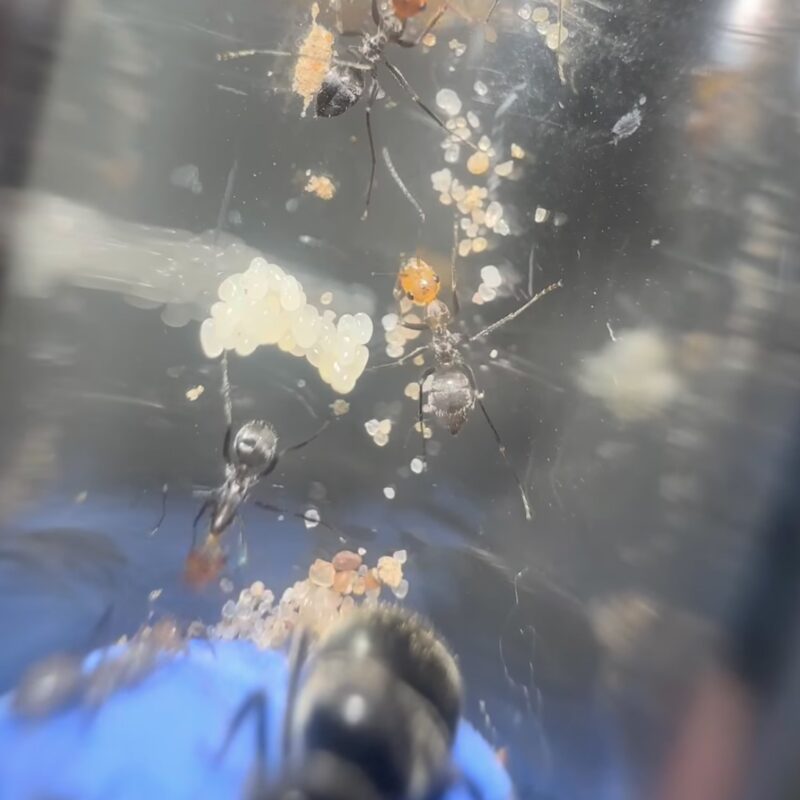
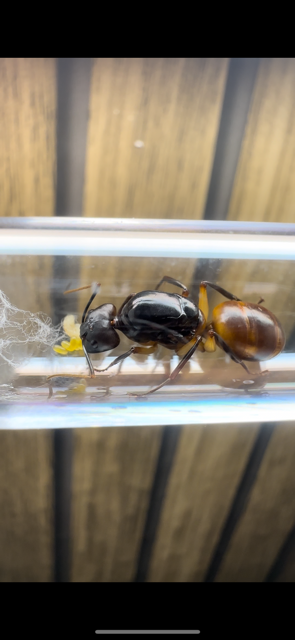
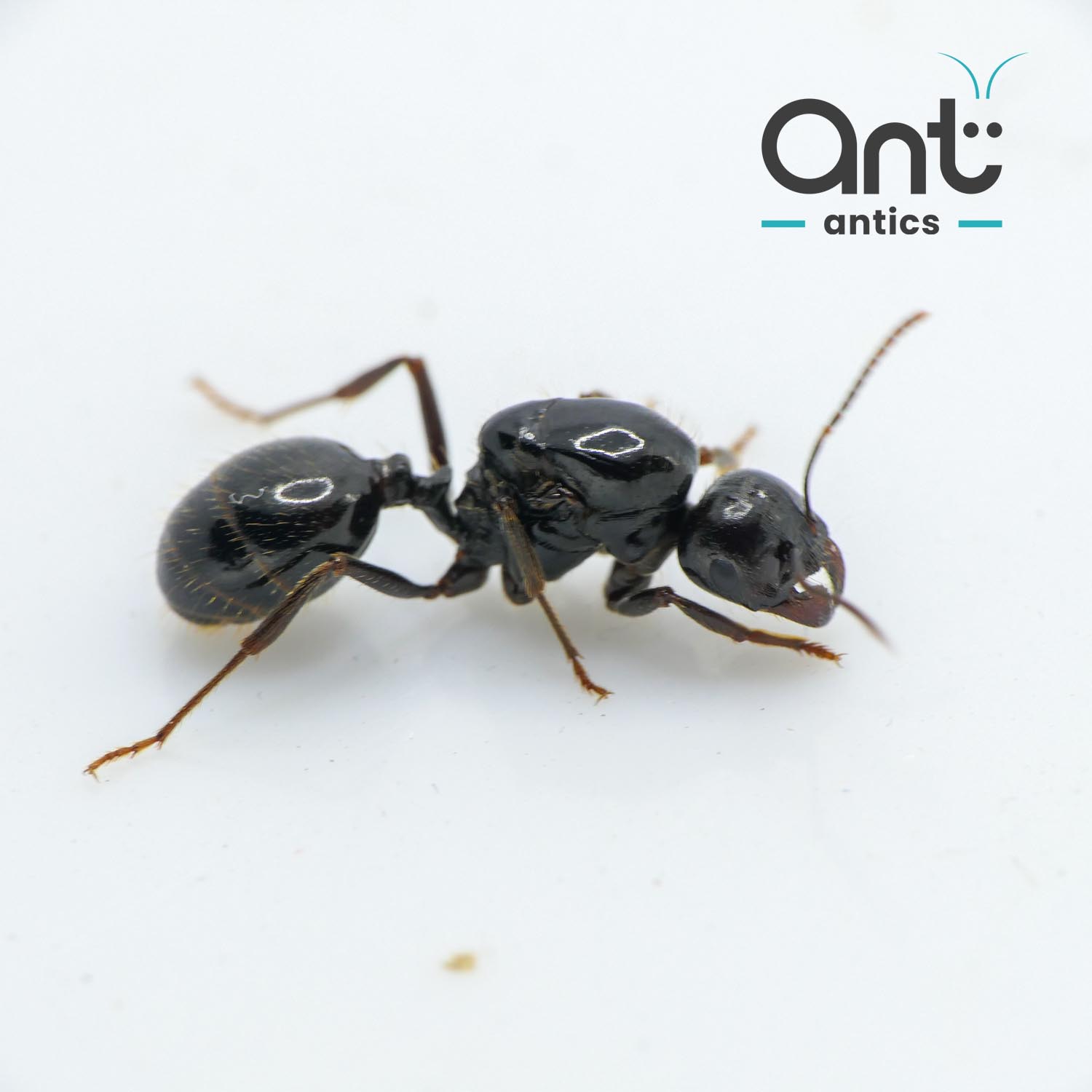
Myrmecocystus placodops is a New World honeypot ant from arid grasslands and desert scrub of the south-western United States and northern Mexico. Specialised workers called repletes hang in deep nest chambers with hugely swollen gasters, storing liquid food for the colony when foraging is hard. Watching a colony build those living pantries is one of the great spectacles of ant keeping.
Desert Predators with a Sweet Side
These ants are strongly predatory and also visit flowers for nectar. In the field they forage by day across open ground, often looking silvery or glittering white in bright sun. Excavated nests have held more than 1,500 repletes and reached depths of over 4.8 m, so they are built for harsh, dry landscapes.
A Colony Built Around Storage
Like other Myrmecocystus, liquid resources gathered in productive seasons help the colony through leaner periods. In captivity that means steady sugar and protein, space for a soil nest to deepen, and patience while repletes develop from callow workers. This is a species for keepers ready to give desert ants room and time.
Colony:
- Type: Typically treated as monogynous in keepers’ setups (queen number varies across the genus; confirm with your stock)
- Notes: Wild nests can be populous, with hundreds of workers plus large replete chambers
Queen:
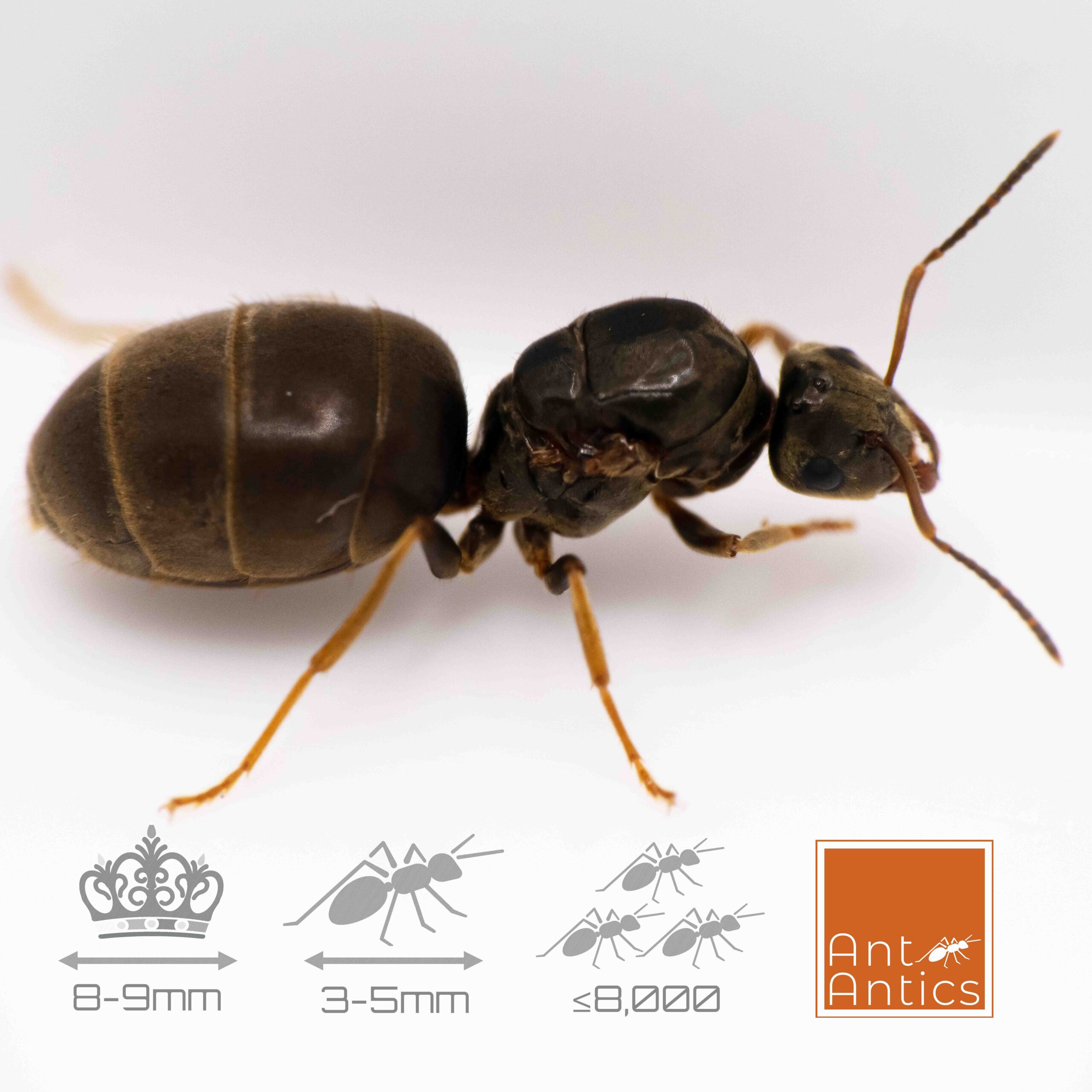
- Size: Head width over 2.0 mm in measured females (Snelling 1976)
Workers:
- Size: Head width about 0.8 to 2.3 mm; largest workers develop distinctly round (orbiculate) heads
- Polymorphic: Yes – size grades from small foragers to large-headed majors and specialised repletes
Housing:
- Nest Types: Deep natural or soil nests preferred; acrylic or plaster setups can work if humidity and depth are managed carefully
- Climate feel: Arid to semi-arid; avoid permanently soggy nests
Seasonal activity:
- Wild pattern: Genus stores summer liquids for leaner seasons; treat as reduced winter activity rather than a classic temperate hibernation schedule unless your stock shows a clear cool rest
Diet:
- Primary: Small arthropods (protein) plus nectar or sugar water
- Feeding: Offer insects regularly and a reliable sweet source so repletes can fill
Interaction:
- Sting: No (Formicinae)
- Defence: Formic acid spray and bite
Key Stats:
- Queen Size: Unknown body length (head width over 2.0mm, Snelling 1976)
- Worker Size: Unknown body length (head width 0.8-2.3mm)
- Major Worker Size: Polymorphic, with majors and repletes; body length not recorded
- Temperature: Unknown; warm and dry-adapted
- Humidity: Unknown; dry-adapted, keep a small humid area
- Diet: Insects & Sugars (nectar)
- Colony Size: Hundreds of workers plus repletes (wild)
- Diapause: Estimated: reduced winter activity; classic diapause unverified
Ready for a Living Honey Pot?
If you want a desert species with unforgettable repletes, Myrmecocystus placodops is a standout. Give them depth, dryness where it matters, and a balanced diet – then enjoy one of nature’s strangest food-storage systems in your own formicarium.
Reviews
There are no reviews yet.