

Meet Ectomomyrmex astutus: A Formidable Asian-Australian Ponerine
Why this species?
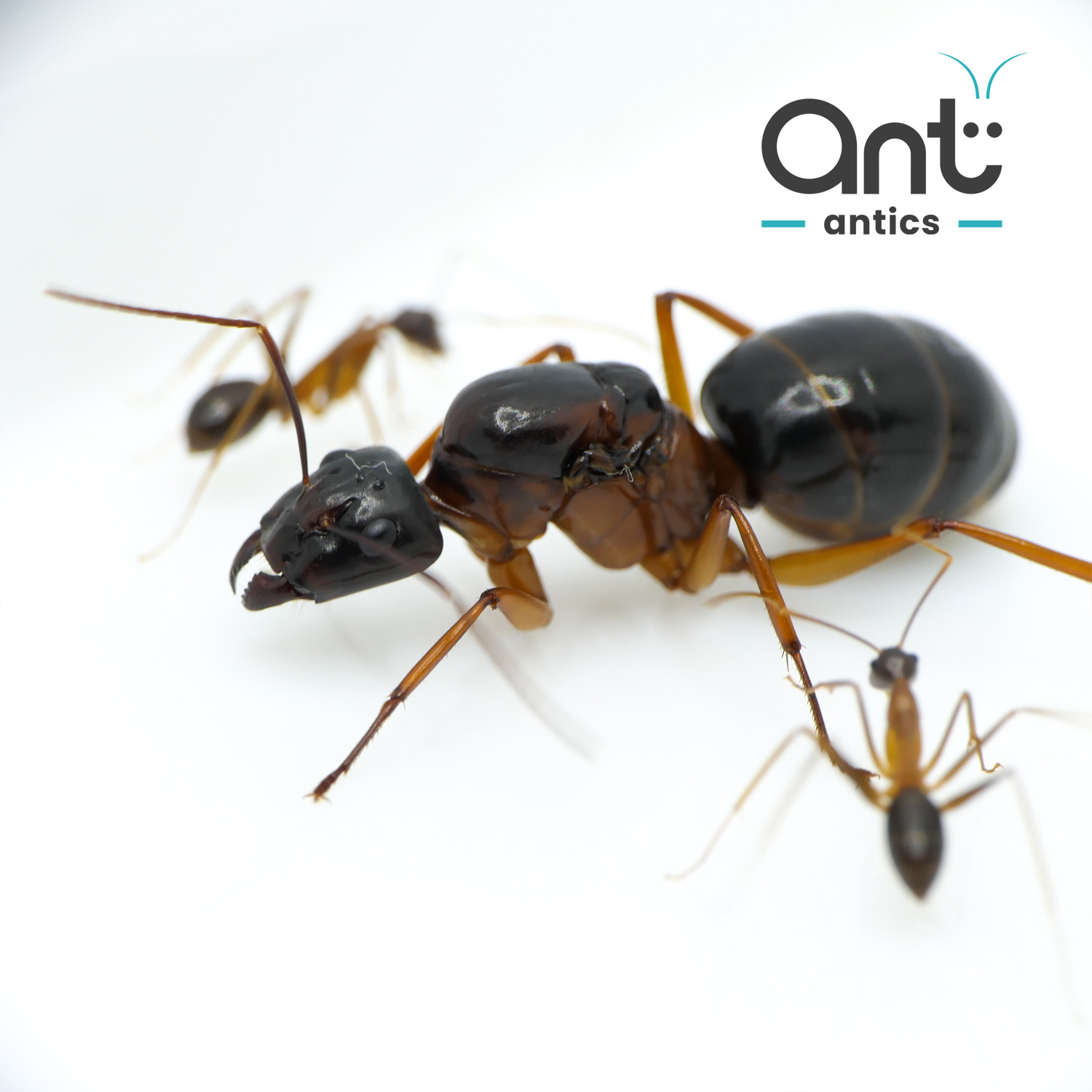
Listed in the shop as Ectomyrmex astutus, this ant’s current valid name is Ectomomyrmex astutus (Smith, 1858) – a medium-to-large ponerine predator across Asia and into Australia. These are serious hunters with a functional sting, sculptured bodies, and the deliberate pace that makes ponerines so watchable.
Generalist Predator
Genus accounts describe Ectomomyrmex as generalist arthropod predators. Workers of E. astutus have been noted as especially fierce against termites in arena tests. Expect a protein-led diet, small colony feel, and a setup that lets solitary or small-group foragers patrol an outworld.
Colony:
- Type: Ponerine – typically small colonies in the genus; confirm queen number with your stock
- Taxonomy note: Valid genus spelling is Ectomomyrmex (not Ectomyrmex)
Workers:
- Size: Historical descriptions give about 12.5 to 13 mm for workers of this species
- Look: Dark, strongly sculptured ponerine with a distinct petiole
Housing:
- Nest Types: Soil, rotting wood cavities, or naturalistic nests; genus foraging spans litter and ground
- Escape / safety: Secure lids – large stinging ponerines deserve respect
Diet:
- Primary: Live or freshly killed arthropods (termite prey noted in experimental observations)
- Sugars: Optional light sweets; protein is the priority
Interaction:
- Sting: Yes – Ponerini with a functional sting; handle with extreme care
Key Stats:
- Queen Size: Unknown (not verified)
- Worker Size: 12.5-13mm (Bingham)
- Temperature: Unknown (not verified)
- Humidity: Unknown (not verified)
- Diet: Live or fresh insects (termites)
- Colony Size: Unknown (not verified)
- Diapause: Unknown
Ready for a Serious Ponerine?
Ectomomyrmex astutus is for keepers who want hunting behaviour and presence over tiny sugar trails. Offer sturdy prey, a secure nest, and calm observation – and you will see why ponerines earn their reputation.
Reviews
There are no reviews yet.