
Meet Formica perpilosa: Desert Formica – Hairy Red-and-Black Riparian Ant!
Why Formica perpilosa?
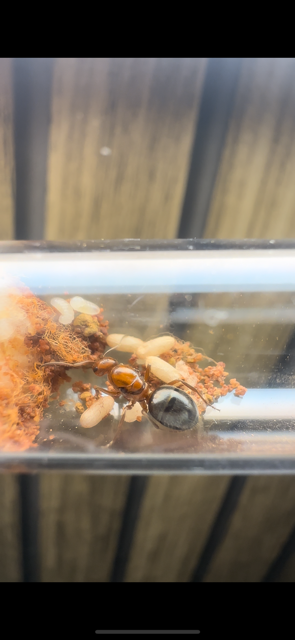
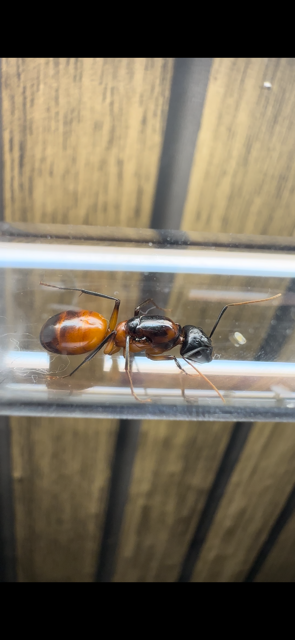
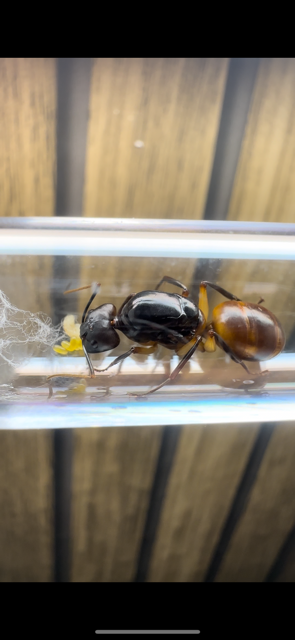
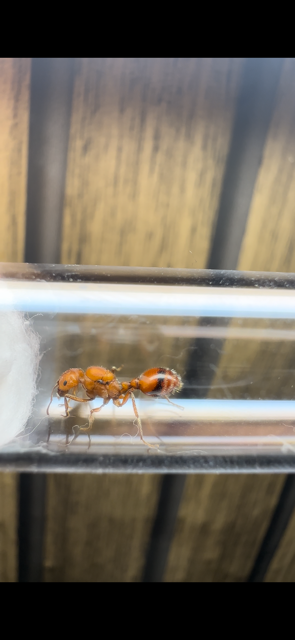
Formica perpilosa is a lively New World Formica from western North America. Workers are richly hairy and bicoloured: a reddish or yellowish-brown head and mesosoma contrast with a dark brown to black gaster. They are one of the few Formica that push into hot desert landscapes, yet they stay tied to moister microsites – river bottoms, irrigated land, washes, and the shaded bases of desert plants.
Where they live
The range runs from southern Canada (Alberta) through the western United States (Wyoming south to Texas, west to California) into northern Mexico. In New Mexico they are recorded from Chihuahuan Desert mesquite woodlands and sandy soils up into foothill meadows and low pinyon-juniper, and they are also common in urban lawns. Nests are in soil, often with a small crater or low mound, at the base of bushes, grass clumps, or trees; occasionally under stones or wood.
Active plant foragers
Workers hunt and scavenge insects and gather honeydew and plant exudates, often foraging up into shrubs where daytime temperatures are cooler than the baking ground surface. Mature colonies can field thousands of foragers. A behavioural study found clear division of labour, with a small proportion of larger workers acting mainly as a liquid-food storage caste – an early step toward the replete lifestyle seen in honeypot ants.
Colony:
- Type: Typically monogyne; new nests founded by a single queen (vineyard field study). Colonies can be seasonally polydomous (multiple nest sites in the warm season)
- Founding: Fully claustral (hobby and field reports)
- Mature size: Field estimates of about 2,000-3,500 foragers in mature Chihuahuan Desert nests; total colony size in captivity often reported from hundreds into the low thousands
Queen:
- Size: Hobby reports roughly 7-10 mm
- Appearance: Bicoloured; reddish or orange head and mesosoma with a darker gaster
Workers:
- Size: Hobby reports roughly 3.5-5.6 mm (some sellers list up to about 7 mm)
- Polymorphic: Slightly polymorphic / borderline majors; larger workers are a minority of the workforce
- Colour: Reddish or yellow-brown head and mesosoma; dark gaster; abundant erect white hairs; clypeus often notched
Development:
- Egg to adult worker: Hobby reports about 4-6 weeks when warm and well fed (UNVERIFIED against peer-reviewed species-specific tables)
Housing:
- Nest: Soil nests with crater or low mound in nature; acrylic, ytong, plaster, wood, or sandy naturalistic setups suit captivity. Offer a moisture gradient – a damper brood area and drier zones
- Temperature: Hobby targets often around 22-27°C with a warm/cool gradient (avoid baking the whole nest)
- Humidity: Medium nest humidity with a gradient; do not keep the entire nest waterlogged
Hibernation / Diapause:
- Required: Mild cool rest is recommended by most keepers for this species
- Notes: Northern and higher-elevation stock experience real winters; low-desert vineyard populations are active roughly February to mid-October. Match cool-down length to your colony’s origin if known. Typical hobby guidance is several weeks to about 2-3 months of reduced temperature and feeding (exact fridge schedule UNVERIFIED scientifically)
Diet:
- Primary: Liquid sugars (honey water or nectar substitutes) plus small feeder insects
- Also: Honeydew-style liquids; they are generalist scavenger-predators in the wild
Interaction:
- Sting: No (Formicinae; formic acid spray)
- Bite / spray: Active and aggressive defenders; expect bites and formic acid when the nest is disturbed
- Escape risk: Moderate; use a reliable barrier
Key Stats:
- Queen Size: Estimated: 7-10mm
- Worker Size: Estimated: 3.5-5.6mm (some sellers list up to about 7mm)
- Temperature: Estimated: 22-27°C (Nest) with a warm/cool gradient
- Humidity: Estimated: medium nest humidity with a moisture gradient
- Diet: Sugars & Insects
- Colony Size: Estimated: hundreds to low thousands; field forager counts about 2,000-3,500 in mature Chihuahuan Desert nests
- Diapause: Mild cool rest recommended; hobby often several weeks to about 2-3 months of reduced temperature and feeding (match colony origin)
Ready for desert Formica drama?
If you want a fast, bold New World Formica with striking bicolour workers and plant-foraging energy, Formica perpilosa is a rewarding intermediate keep. Give them warmth with a gradient, steady sugars and protein, a sensible cool rest for winter, and enjoy a colony that never sits still.
Reviews
There are no reviews yet.