
Pheidole pallidula: Big Headed Ant
Experience level: Intermediate | Size: small
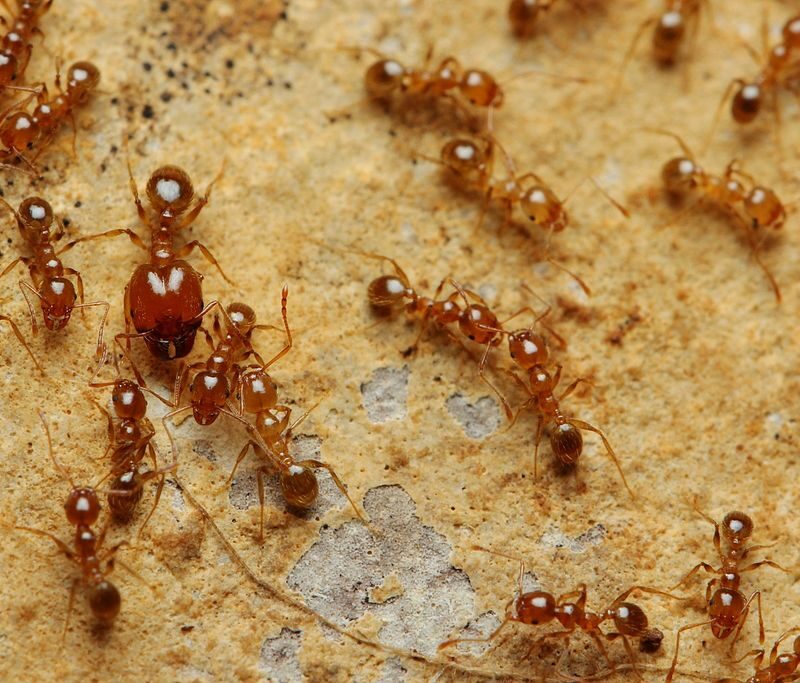
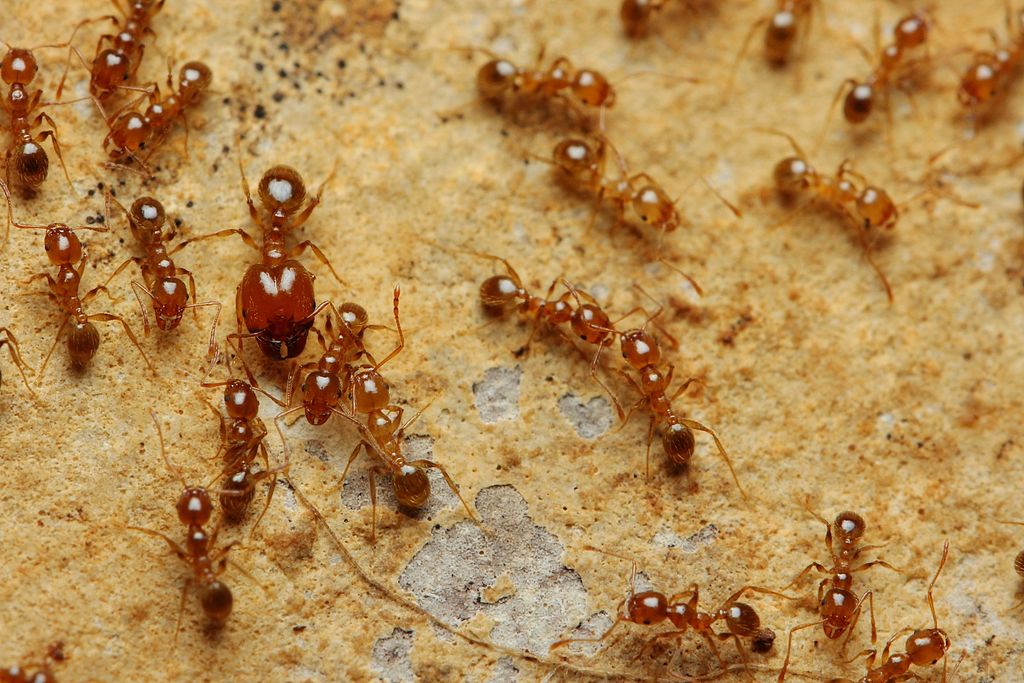
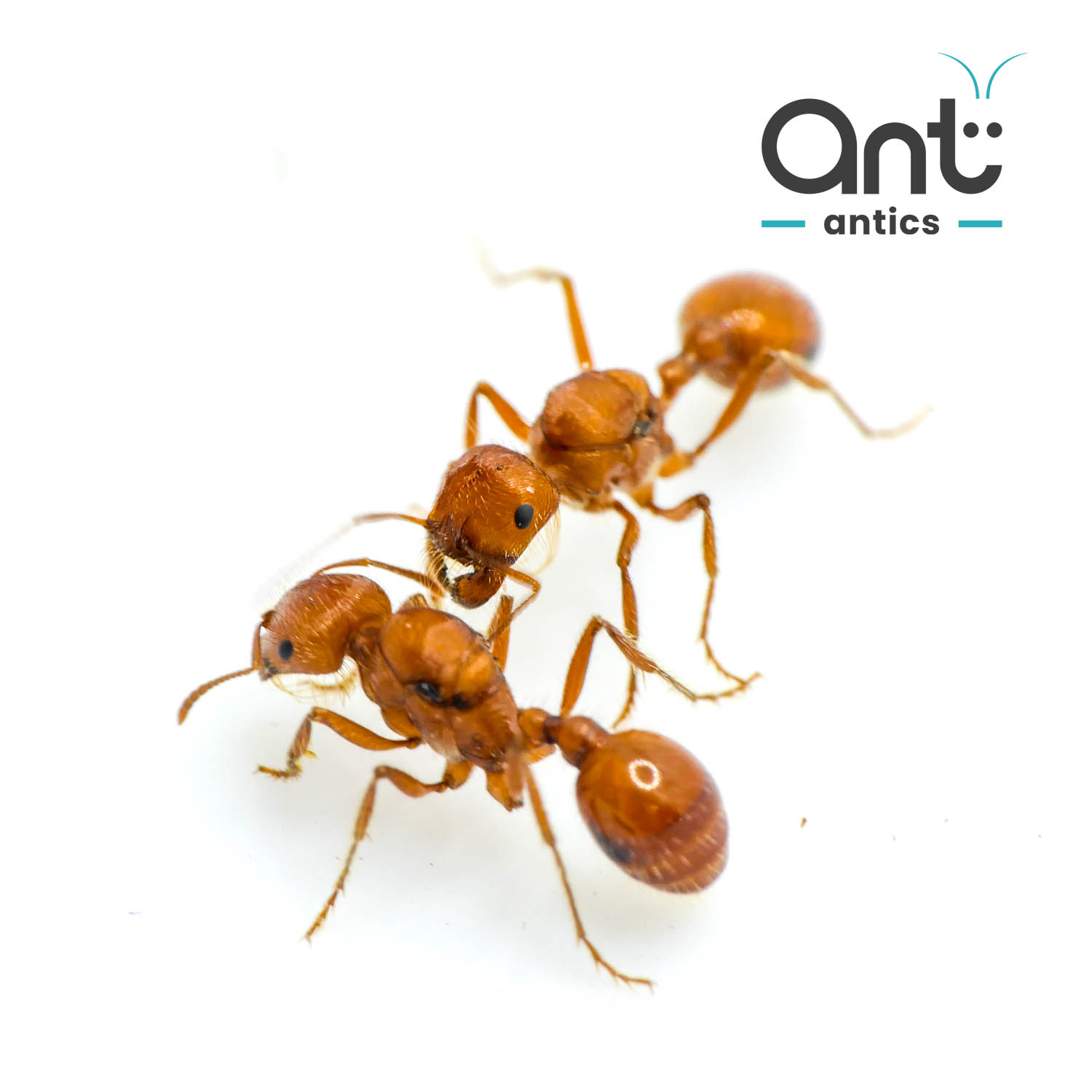
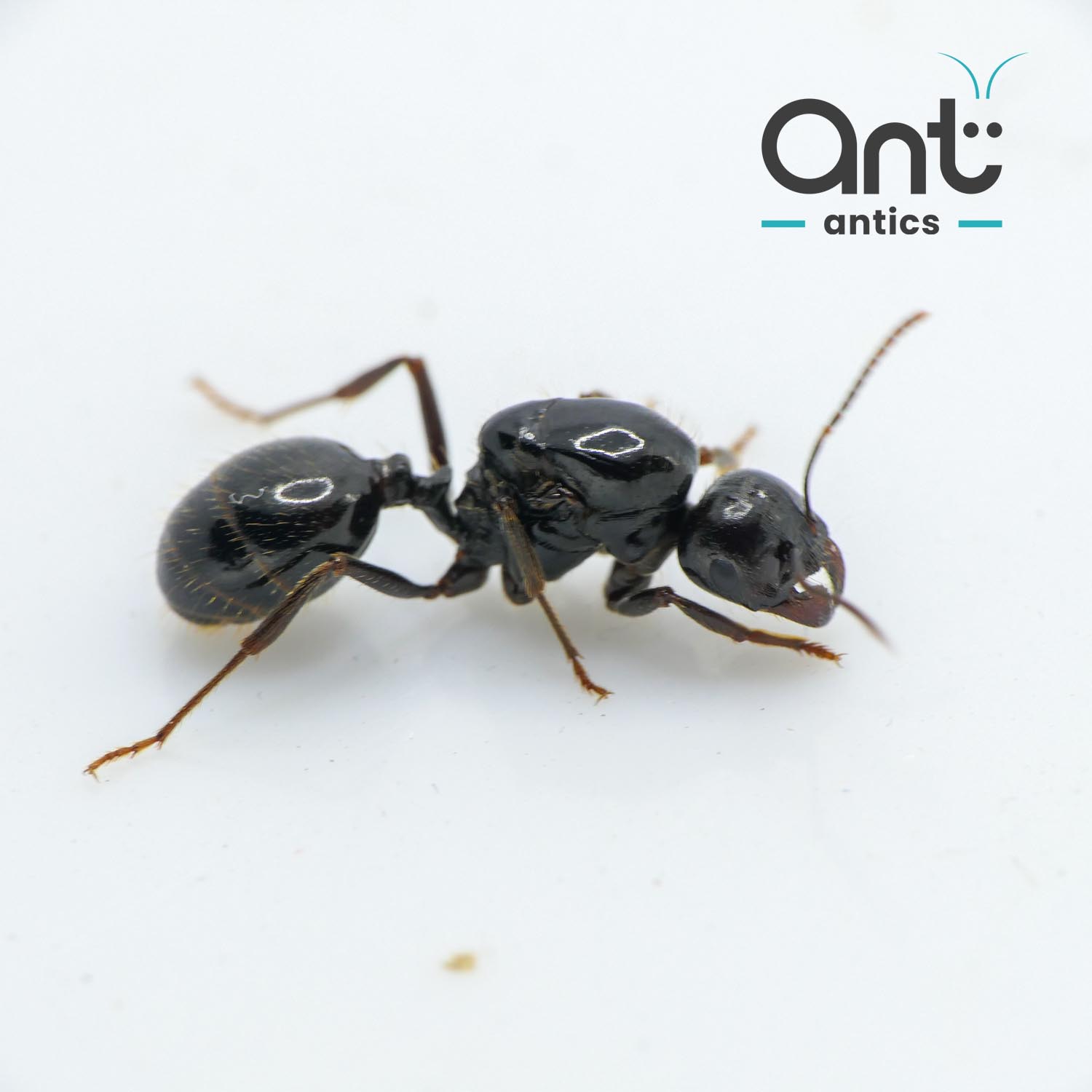
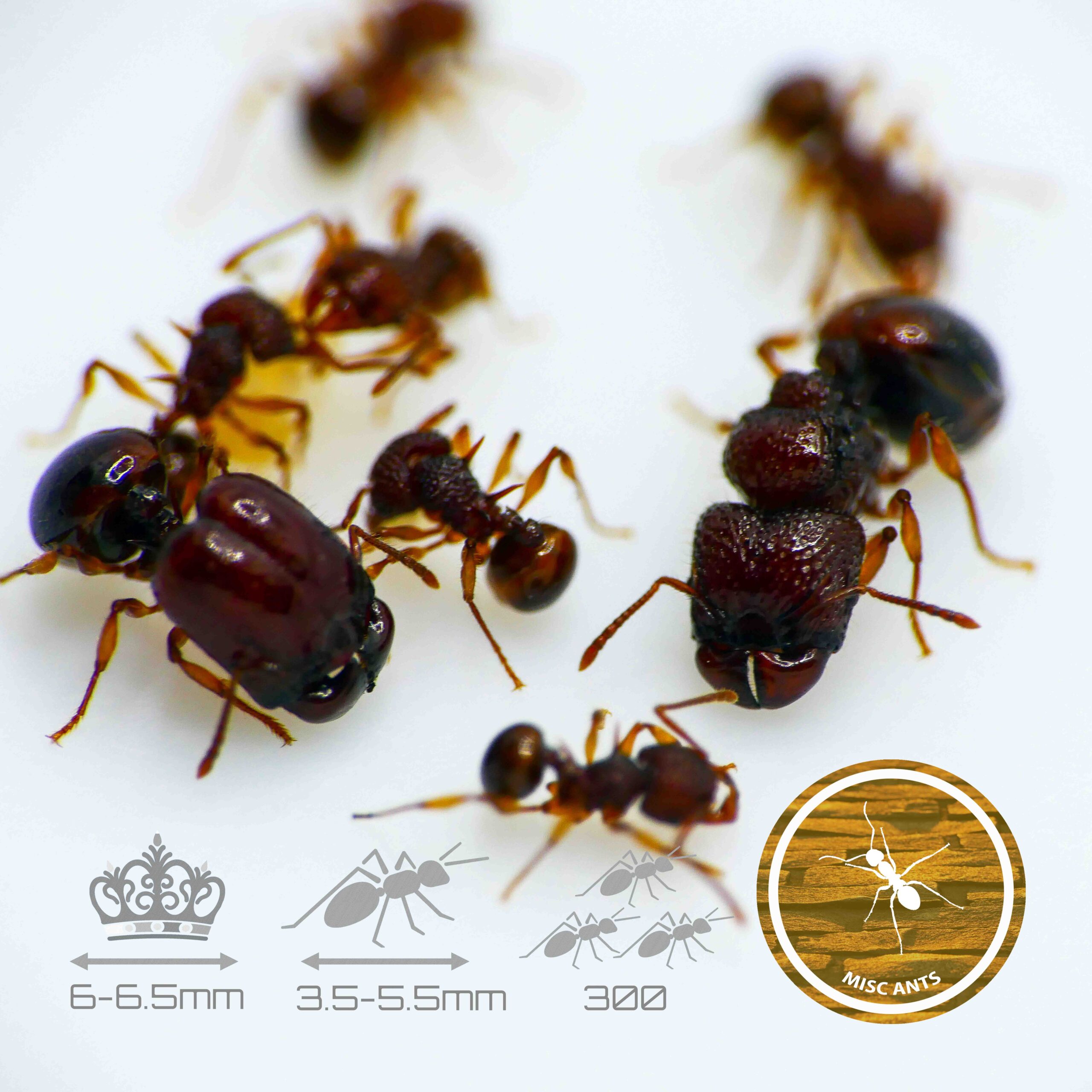
The distinctive major workers have earned the genus Pheidole the nickname “big-headed ants”. Although they may look fierce, the majors of a Pheidole colony are often quite shy and are frequently the first to flee at any hint of danger.
Pheidole pallidula is a small ant from southern Europe. They are very aggressive towards other ants and can recruit quickly at feeding places. They need a huge amount of food, and when it runs low they try to escape; their small size makes them real escape artists. Good escape prevention is therefore essential.
In most cases the majors are put to work inside the nest breaking up large food items, or outside carrying large items such as seeds. Many Pheidole species, including pallidula, are ecologically important consumers of small seeds.
In the wild they live in sandy environments around the Mediterranean, as well as in soil, typically under stones.
Colony facts
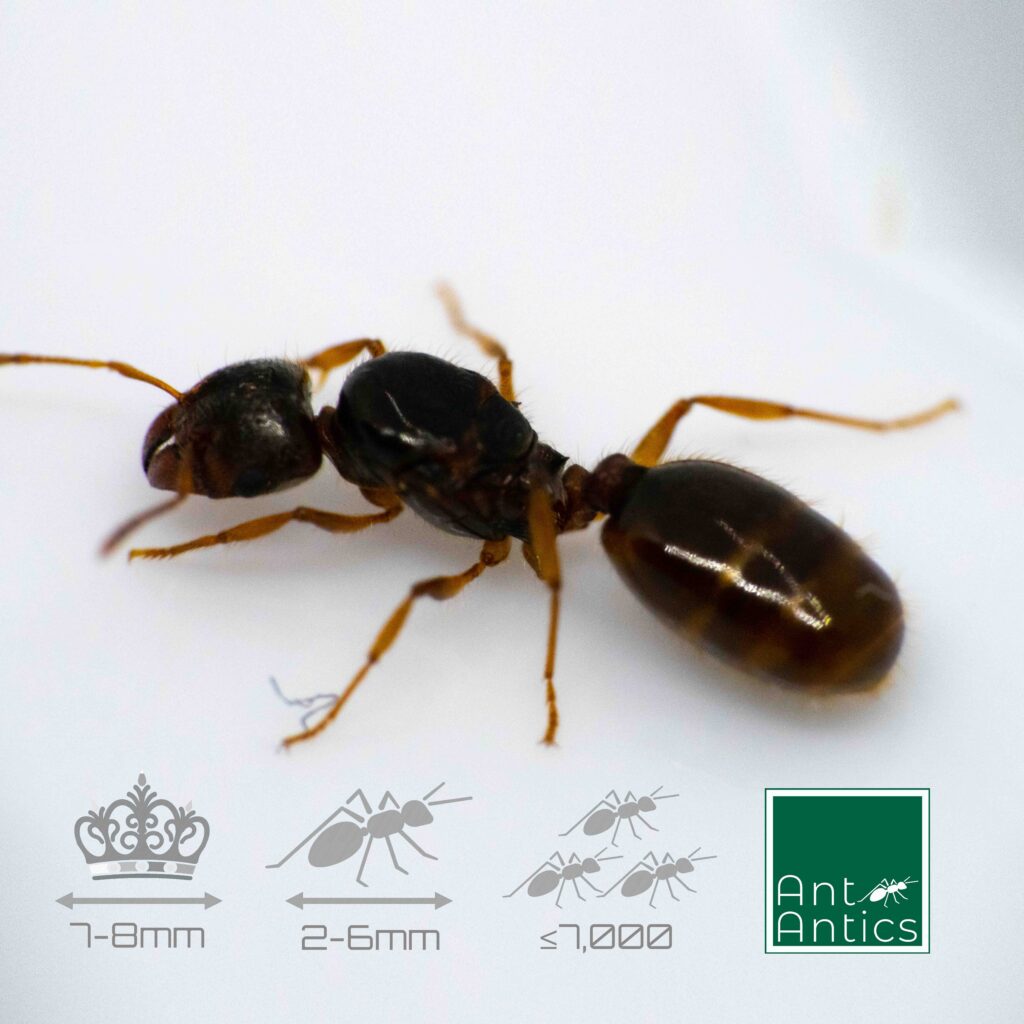
- Colony size: up to 7,000 workers
- Founding: fully claustral, so the queen needs no food until the first workers arrive
- Queen lifespan: 20 to 25 years (estimated)
- Queens per colony: polygyne (more than one queen)
- Temperature: heated, 21 to 28 degrees
- Hibernation: yes, November to February at 15 degrees
- Polymorphic (different size castes): yes: minors, medias and majors
- Sting: no
- Bite: yes
- Diet: plenty of protein, sugar, water and small seeds
- Nest types: natural, acrylic, sand, Ytong, earth and glass
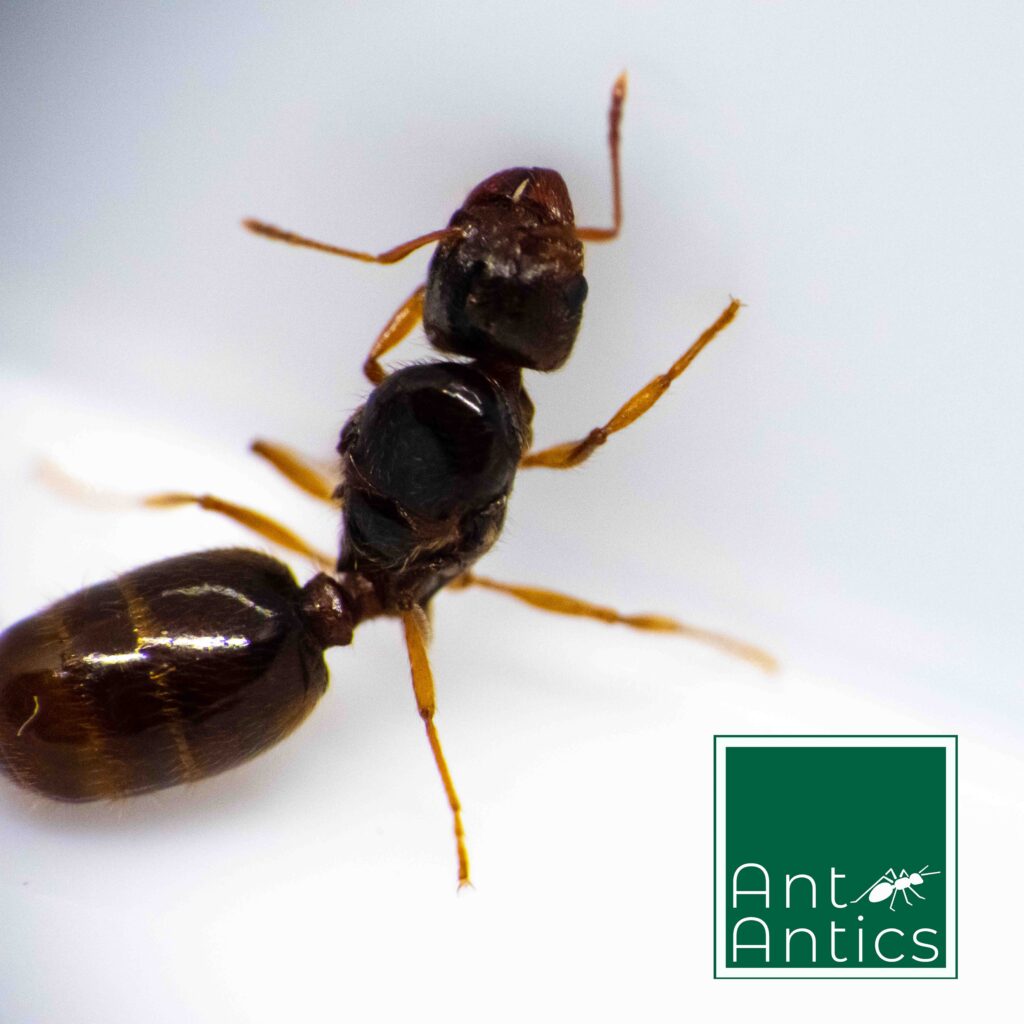
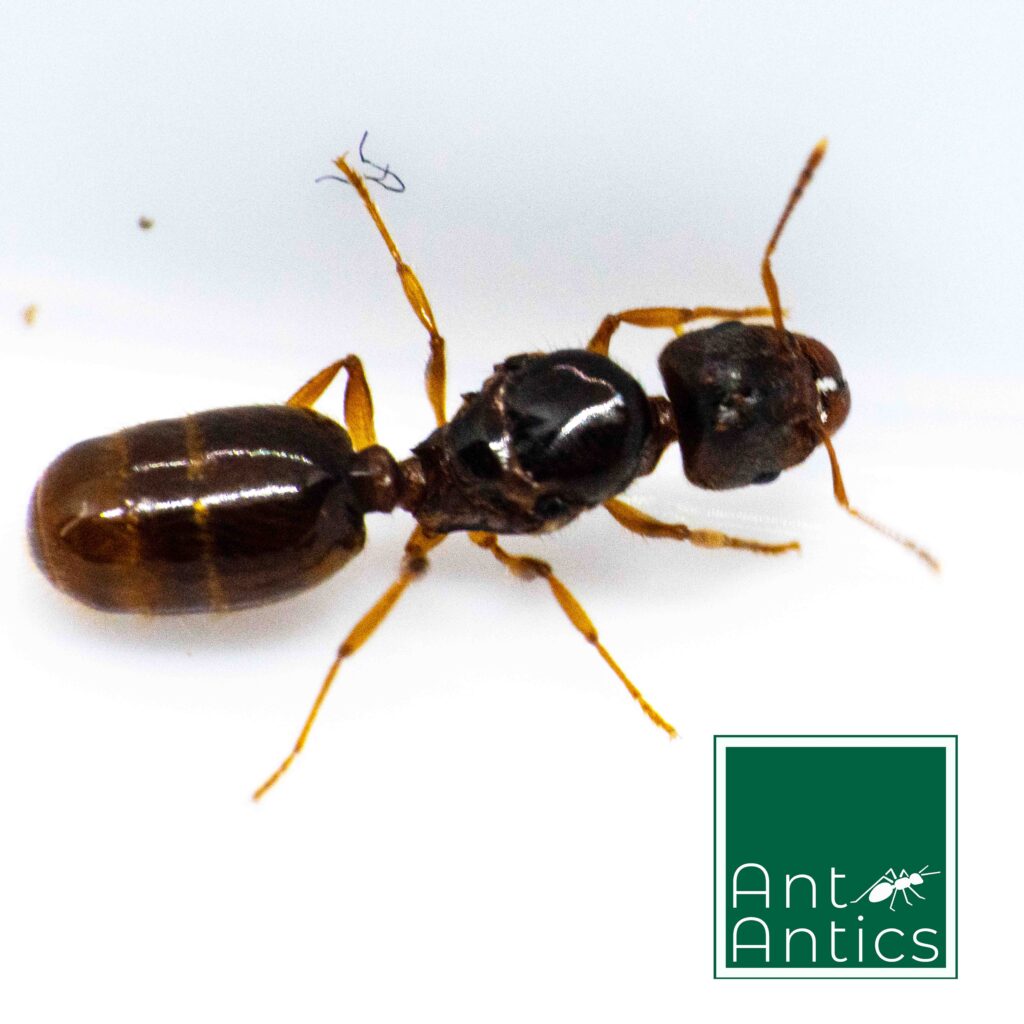
- Size: queen 7mm to 8mm; workers 2mm to 4mm; soldiers (majors) 6mm
- Development: egg to adult worker in 4 to 5 weeks
- Sexually mature colony: 1,200+ workers
Reviews
There are no reviews yet.